The shifting landscape of preparedness: governments push for emergency reserves
Nations across Europe, the Middle East, and Asia are recalibrating their approach to public safety, increasingly urging citizens to build personal reserves of food, water, and medical supplies. This shift reflects growing alarm over geopolitical tensions that could disrupt daily life without warning—from cyberattacks on critical infrastructure to regional conflicts threatening supply chains.
Europe tightens its emergency playbook
The urgency is palpable in Europe, where governments are no longer treating disaster preparedness as just a household precaution. In late 2026, the British government launched a national campaign urging families to stockpile a 72-hour supply of essentials: potable water, non-perishable food, first-aid kits, flashlights, radios, and cash. The reasoning? To ensure survival during potential blackouts, cyber disruptions, or even hostile actions targeting vital networks.
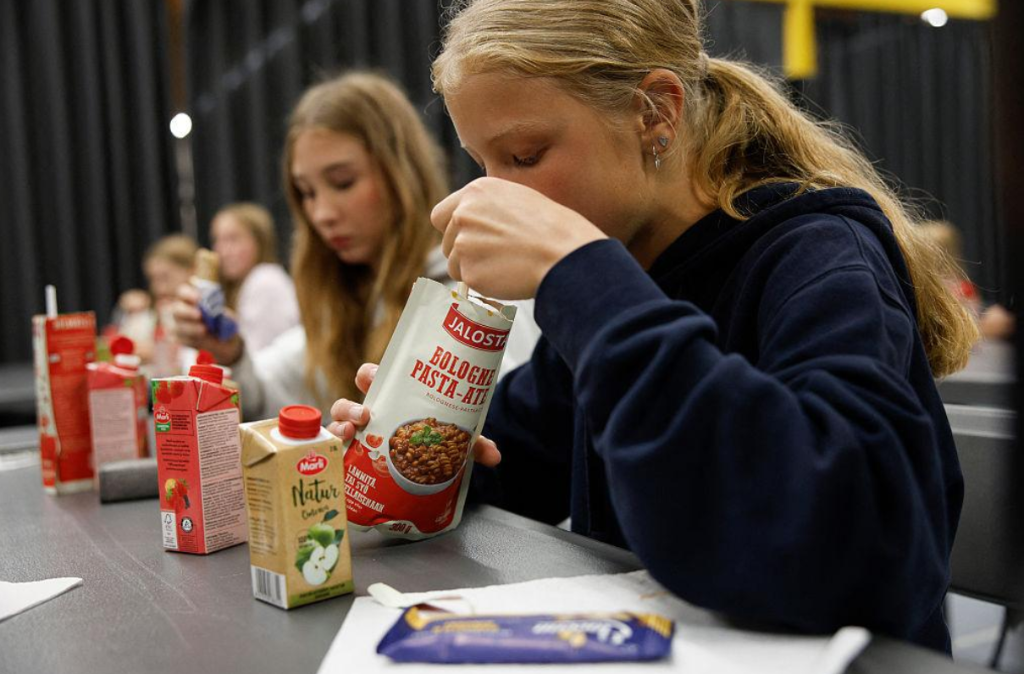
This initiative mirrors broader trends across the continent. Finland has expanded its strategic grain reserves to cover nine months of demand, while Sweden, Poland, and the Baltic states are reinforcing civil defense systems, evacuation protocols, and emergency shelters. The catalyst for this movement? Russia’s 2022 invasion of Ukraine, which exposed vulnerabilities in energy grids, transportation, and food distribution far beyond conflict zones.
NATO’s strategic pivot: resilience over silence
Military and intelligence circles warn that Moscow may test NATO’s cohesion without triggering open war—through covert cyber strikes, sabotage, or sabotage-like incidents targeting member states. In 2026, U.S. intelligence assessments suggested such provocations could escalate, aimed at gauging allied responses rather than outright confrontation. While no imminent attack is confirmed, the preparation reflects a doctrine shift: societies must now withstand temporary, large-scale breakdowns independently.
Middle East in the crosshairs: energy and stability at stake
The region’s volatility adds another layer of risk. Following targeted strikes in early 2026 and reciprocal actions, Iran’s tensions with the U.S. and Israel have raised alarms among Gulf nations. The United Arab Emirates reported missile launches and drone incursions allegedly originating from Iran, underscoring the fragility of regional security. Disruptions to oil facilities, ports, or power grids in this area could ripple globally, driving energy price surges and supply shortages.
In response, Gulf states are advising citizens to bolster personal reserves—a move that underscores resilience as a collective effort. The message is clear: even indirect fallout from a regional conflict demands individual readiness.
Asia’s shifting alliances: a domino effect of uncertainty
Meanwhile, China’s deepening ties with North Korea—symbolized by the October 2026 opening of a key border bridge and high-level visits—complicate already tense geopolitics. While no coordinated offensive is imminent, the alliance raises concerns about coordinated crises across multiple theaters. North Korea’s expanding military cooperation with Russia further amplifies these risks, highlighting how distant conflicts can unexpectedly converge.
Preparation without panic: a new social contract
The surge in official preparedness guidance doesn’t signal an impending apocalypse. Instead, it reflects a pragmatic evolution: governments now expect citizens to act as first responders during disruption. The NATO alliance’s 2026 resilience framework emphasizes energy security, food and water sufficiency, and communication systems—shifting responsibility from solely state-run systems to shared societal capacity.
For individuals, this means more than just pantry stockpiles. It’s about knowing evacuation routes, conserving resources during outages, and staying informed through reliable channels. The goal isn’t fear mongering; it’s empowerment. In an era where threats—whether military, technological, or economic—can emerge overnight, readiness becomes the ultimate safeguard.
As global tensions simmer, the act of storing food and water evolves from a private precaution into a civic duty. The message from capitals is unambiguous: the age of passive reliance is over. The era of shared resilience has begun.